How to Fix Cracks and Damp Before You Repaint
Painting over a crack or a damp patch feels like progress. It is usually a delay. Most wall failures come back because the cause was never addressed, and repainting simply hides the evidence until the next season. The good news is that a little diagnosis before you open a tin saves far more than it costs.
Key facts
- Hairline shrinkage cracks are common and usually cosmetic.
- Wide, stepped or recurring cracks need a structural opinion.
- Damp must be traced to its source before any coating is applied.
- Flexible filler suits movement; rigid filler suits stable substrates.
- Never seal a damp wall with ordinary paint and hope for the best.
Read the crack before you fill it
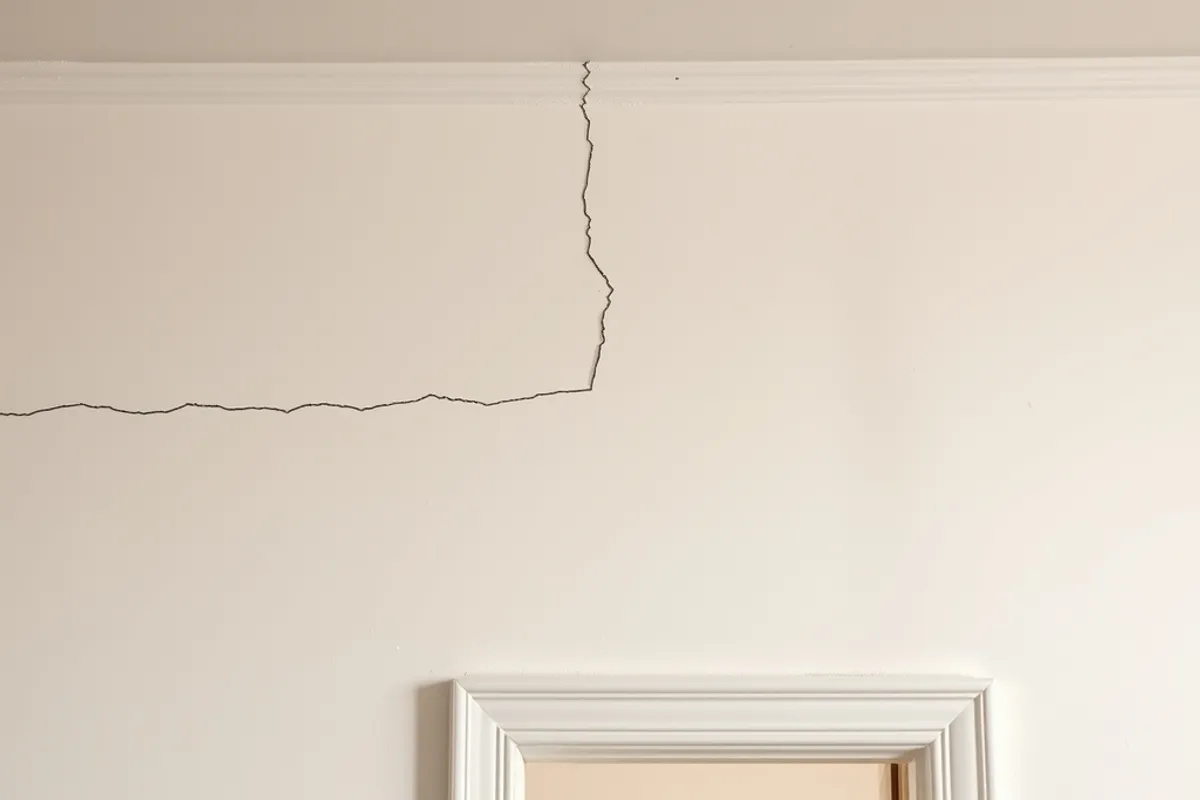
Cracks tell a story. Fine, random crazing across old plaster is usually shrinkage and is safe to fill. A straight crack along a plasterboard joint often means the tape has failed. A crack above a doorway or window corner may follow normal movement, but if it widens over months it deserves attention. Stepped cracks in brickwork, cracks wider than a few millimetres, or doors and windows that suddenly stick are signals to call a structural engineer rather than a decorator.
Measure and date the crack. Note its width with a pencil mark and a photograph. If it grows across a heating season, it is active and filling it now is pointless. Stable cracks can be opened slightly, cleaned, primed and filled with a flexible filler, then sanded flush. For plasterboard joints, rake out the loose material and re-tape before filling.
Find the source of the damp
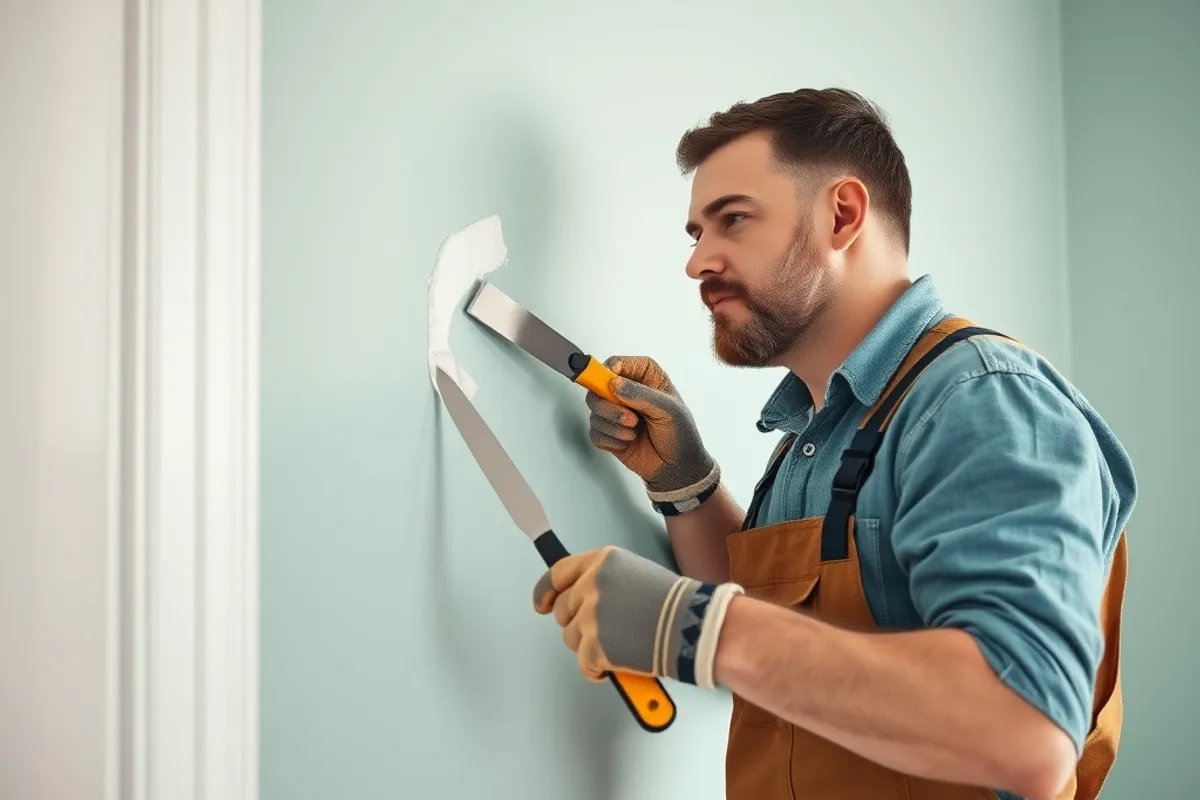
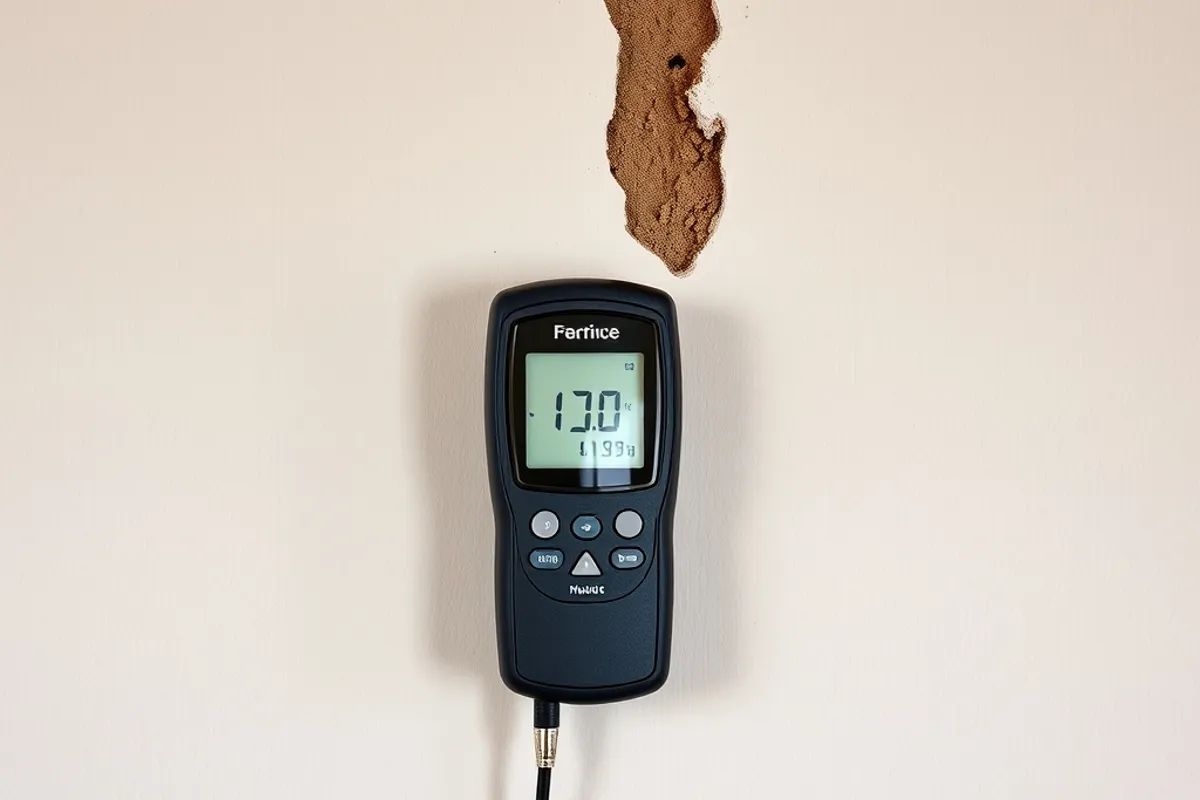
Damp is a symptom, not a finish problem. Water arrives from outside through failed roofing, blocked gutters, cracked render or rising damp, or it is generated inside by poor ventilation and condensation. A moisture meter helps map the extent, but it does not identify the cause. Check the obvious exterior paths first, especially after heavy rain, and look for staining patterns that rise from the floor or spread from a window reveal.
Condensation usually appears in corners, behind furniture and around windows, and it often comes with mould. Improving ventilation, fixing extract fans and reducing moisture at source is the real fix. Rising damp needs a specialist damp course assessment. Penetrating damp needs exterior repair before interior making good. Sealing the inside of a wet wall traps moisture and makes the damage worse.
Repair sequence that works
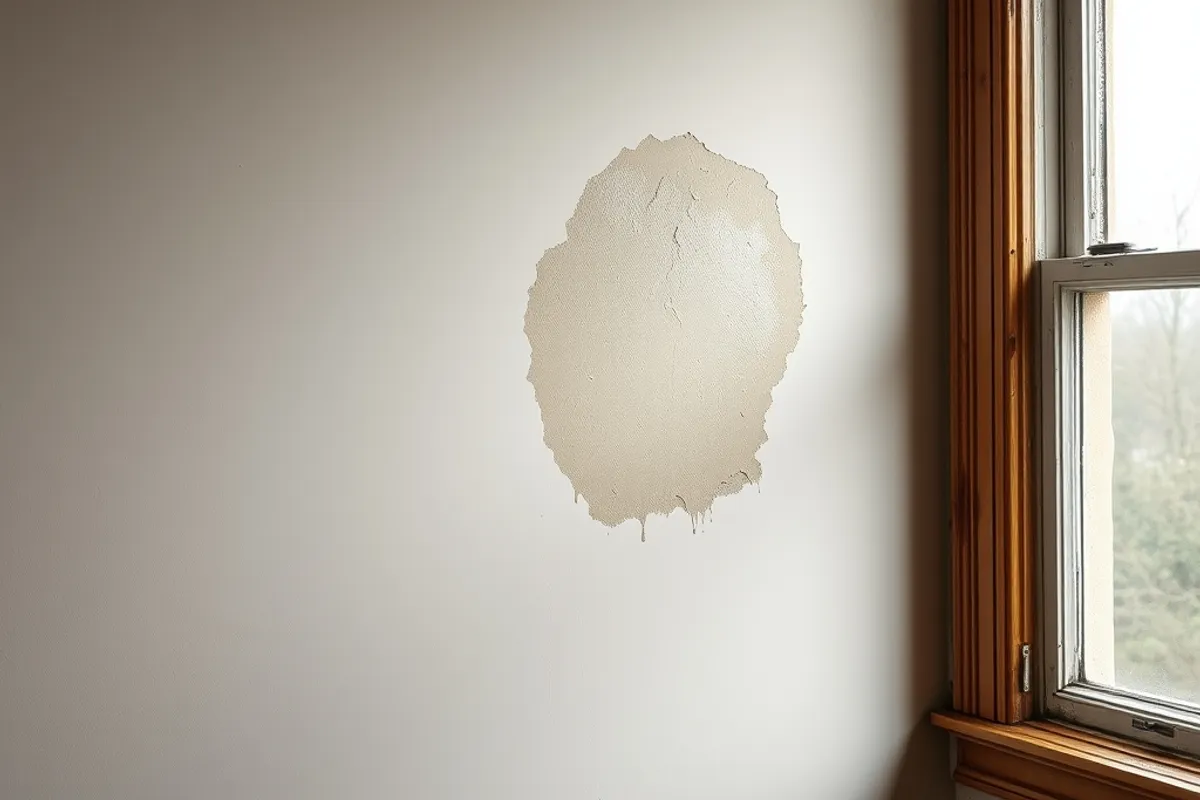
Once the cause is fixed and the wall has dried, remove loose plaster and paint back to a sound edge. Prime the bare substrate, apply the correct filler in thin layers, and allow each layer to cure. Sand between coats, dust thoroughly, then spot-prime before painting. On previously damp walls, use a stain-blocking primer to stop salts and discolouration bleeding through. Choose a breathable paint if the wall is old and solid rather than modern cavity construction.
A crack is a question. Filling it before you answer the question just hides the answer.
When to call a professional
Bring in a surveyor or structural engineer if a crack is wide, stepped, diagonal across a large panel, or accompanied by movement in floors and openings. Bring in a damp specialist if moisture persists after exterior repairs and ventilation improvements. Bring in a plasterer if the substrate is hollow or crumbled over a large area. These are not failures of DIY pride; they are the difference between a repair and a repeat.
Document everything: photographs, dates, repair products and invoices. If you sell the home, a clear record of a properly diagnosed and repaired issue is far more reassuring than a freshly painted wall with no history. Buyers and inspectors will ask, and paperwork answers faster than memory.
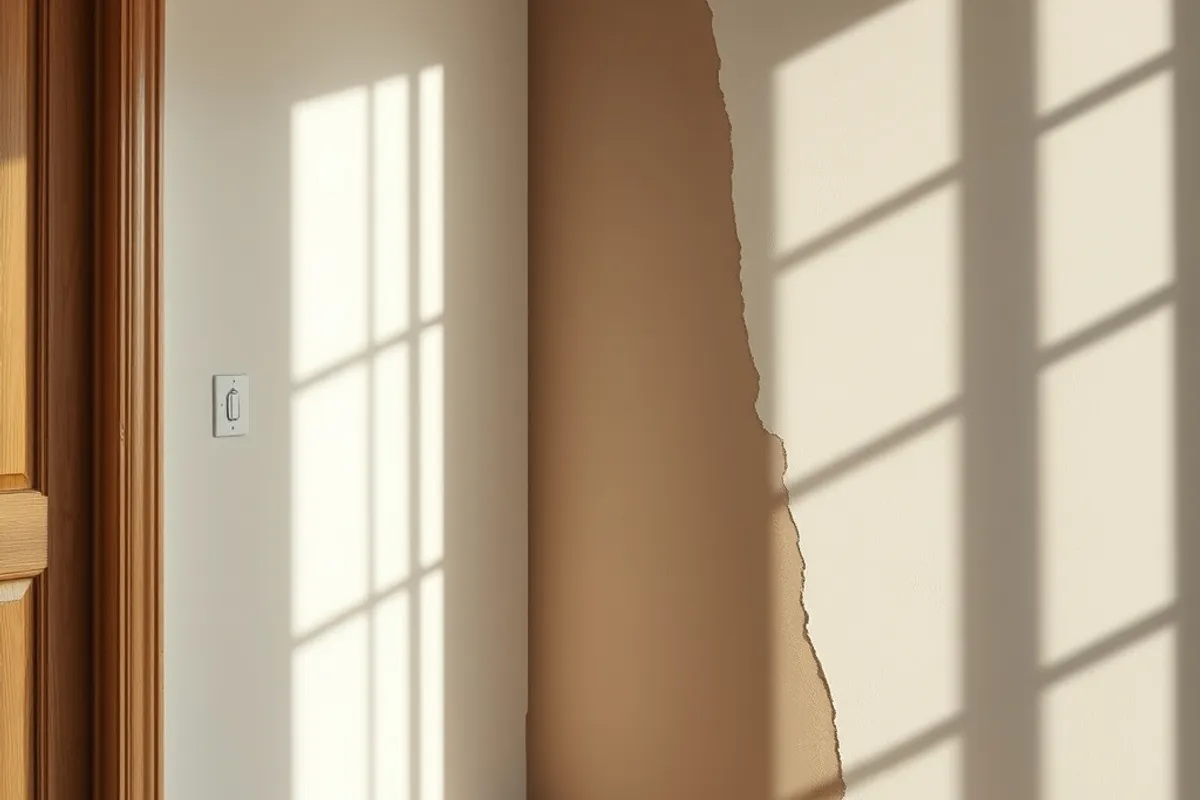
Then paint
Only after the wall is sound, dry and stable should you choose a finish. Use a washable paint in damp-prone rooms and keep a small pot for touch-ups. Ventilate while painting and follow the drying times on the tin. A properly prepared wall can last a decade between redecorations; a hurried one can fail within a season.
For the right topcoat, read our wall finishing guide, or browse more wall finishing advice.
Further reading from independent sources: International Code Council and Energy Star.