Renovation vs New Build: Which Adds More Value?
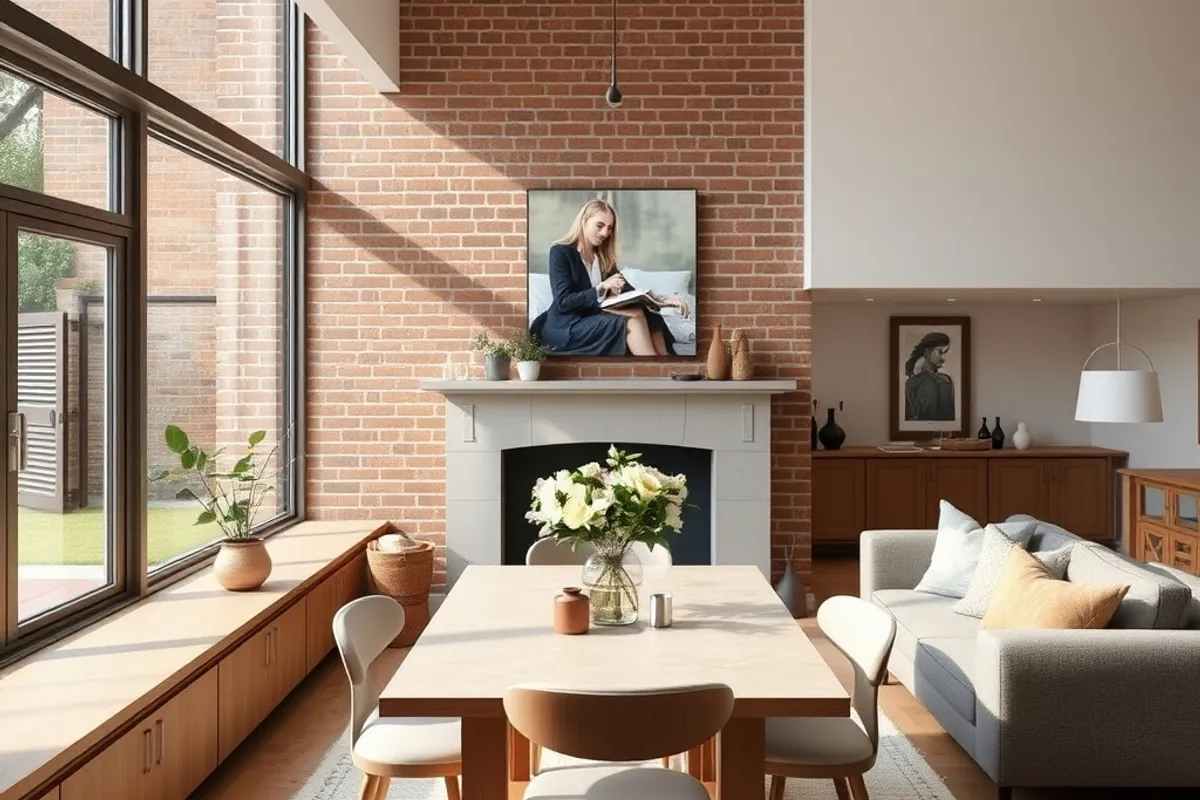
When a property no longer fits, the question is whether to transform it or start again. Renovation and new build solve the same problem in different ways, with different costs, timelines and risks. The right answer depends less on taste than on the site, the structure and the numbers.
Key facts
- Renovation usually wins when the structure and location are sound.
- New build gives control over layout, energy performance and maintenance.
- Both routes carry hidden costs; the site decides which are larger.
- Resale value depends on the street, not just the finish.
- Compare total cost per usable square metre, not headline build rates.
Assess what you already own
A renovation is only good value if the existing building is worth keeping. Check the foundations, roof, walls and services. A sound shell with good proportions is a strong base. A building with structural movement, widespread damp or outdated services may cost more to rescue than to replace. Get a structural survey before you fall in love with an extension design.
Location matters more than either option. The best new build on a weak street will still be limited by its neighbours and sale comparables. A modest renovated home on a strong street often outperforms a grand new one in a weaker location. Value is set by the market around the property, not by the effort you put in.
Compare total cost honestly
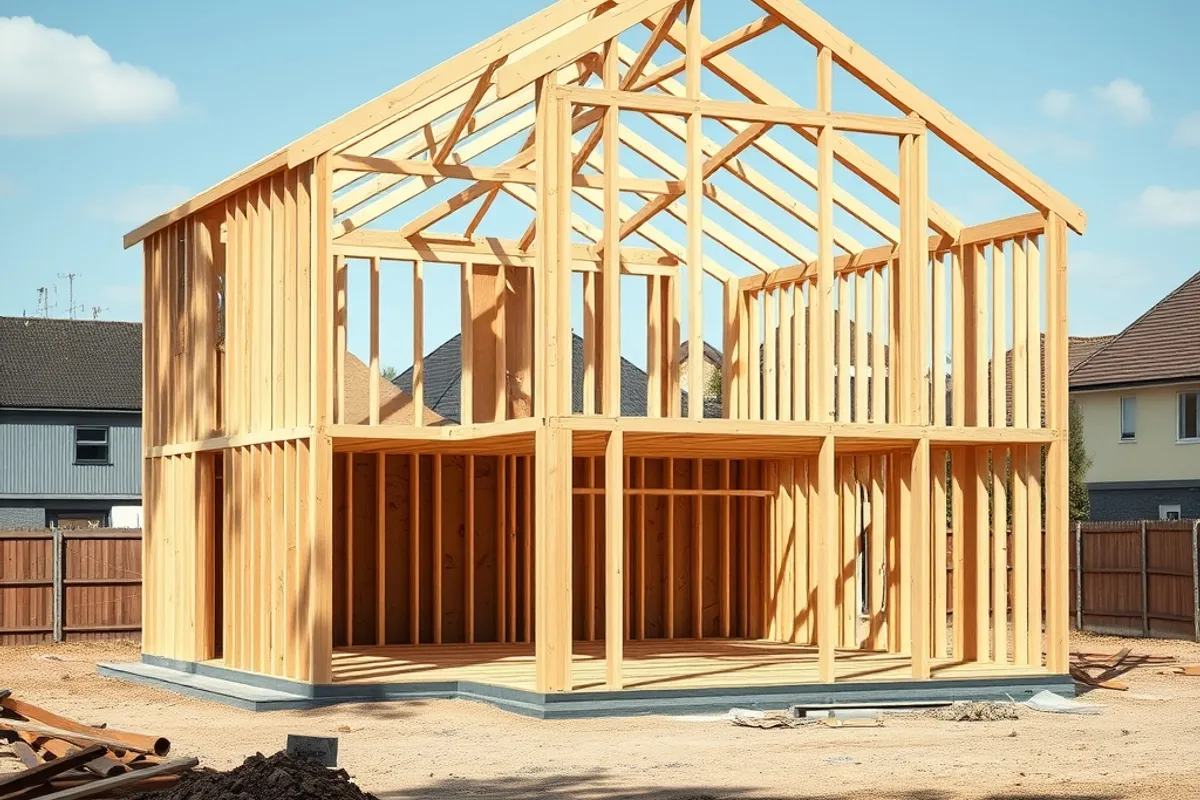
Renovation costs are easy to underestimate because problems hide behind plaster. Add a proper contingency for structural repairs, asbestos, rewiring and drainage. New build costs are easier to itemise but include site clearance, foundations, services, landscaping, professional fees and connection charges. In both cases, compare the total cost per usable square metre of the finished home.
Finance differs too. Renovation may be staged and funded from savings or a remortgage, while new build often needs a larger upfront facility and a longer interest period. Insurance, temporary accommodation and council charges all belong in the comparison. A project that looks cheaper on the build quote can be more expensive once time and finance are included.
Time and control
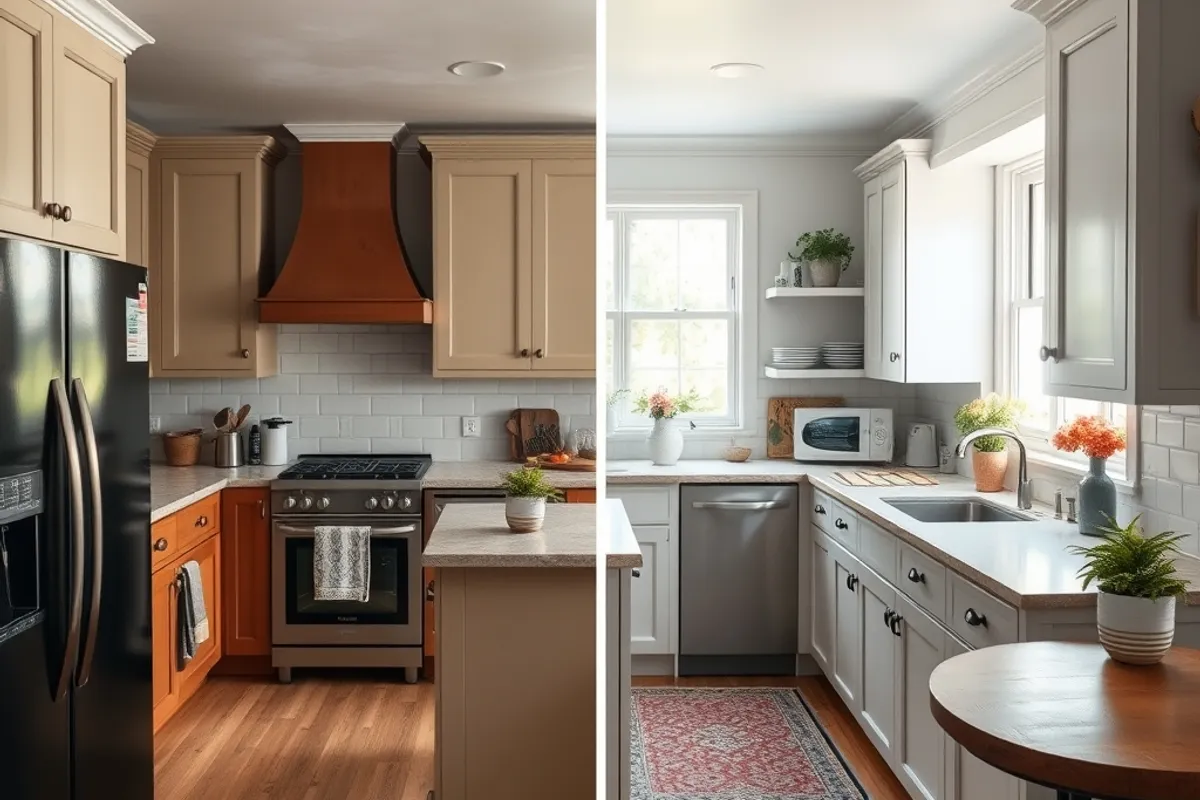
New build gives you a blank layout, modern insulation, efficient services and predictable maintenance. It also gives you a longer planning and construction process, and less flexibility once work starts. Renovation can be faster if the structure is sound, but hidden defects can stretch the programme. Living on site during a renovation is stressful; living elsewhere during a new build costs money.
The cheapest route is the one with the fewest unknowns, not the lowest quote.
Resale and lifestyle
Buyers value light, layout, condition and location. A renovated home with a sensible plan and good finishes appeals broadly. A new build may command a premium for efficiency and low maintenance, but it can also be harder to price if it stands out from its street. Consider how long you will stay. Over a short horizon, transaction costs and build risk matter more; over a long horizon, running costs and adaptability matter more.
Think about future needs: ageing in place, working from home, extra family members. A renovation can often be phased, while a new build must be planned for the long term from day one. If flexibility matters, renovation may be the more forgiving choice.
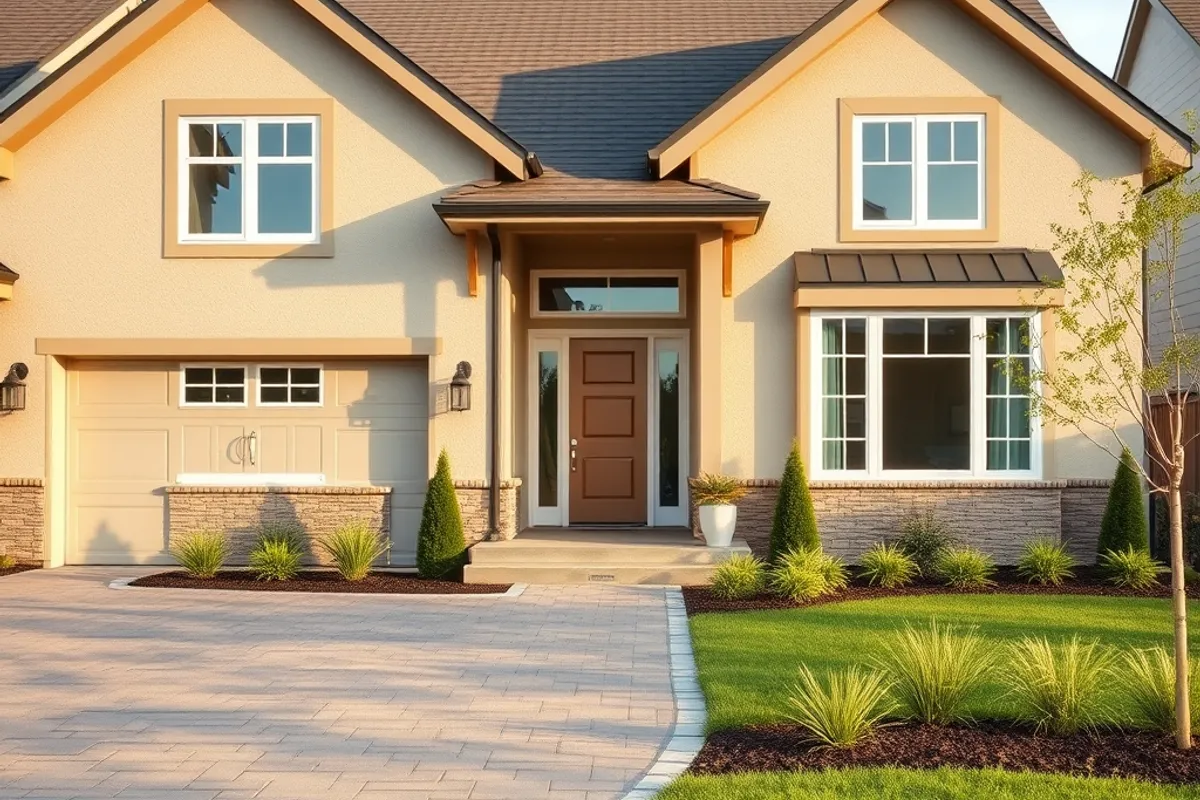
A simple decision test
If the structure is sound, the location is strong and the layout can be fixed within a sensible budget, renovate. If the building is failing, the site is good and the planning position is clear, a new build may be cleaner. If neither case is convincing, wait for a better property or a better plot. The most expensive decision is forcing either route on the wrong site.
For the money side, read our development feasibility guide, or browse all property development articles.
Further reading from independent sources: International Code Council and Energy Star.