Hidden Defects: Moisture, Structure and Services
Every house hides something. The question is whether the hidden thing is ordinary wear or a defect that will cost thousands. Hidden defects are hard to see precisely because the finishes look fine. Knowing where to look, and when to call a specialist, turns guesswork into a negotiating position.
Key facts
- Fresh paint can hide damp, cracks and repaired damage.
- Structural defects show as patterns, not isolated marks.
- Old services are a safety issue, not just an upgrade cost.
- Thermal imaging and moisture meters help but need interpretation.
- Specialist reports are cheaper than discovering a defect after purchase.
Moisture behind a fresh finish
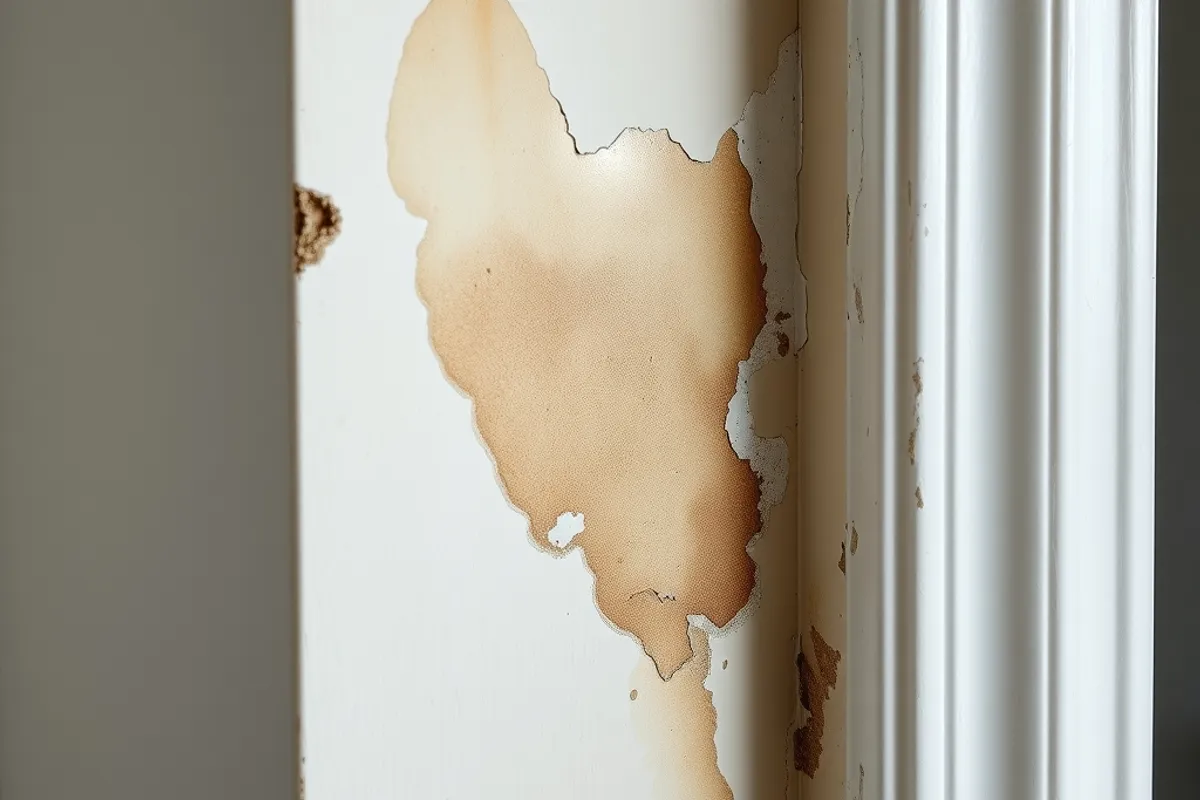
A recently redecorated wall is not proof of a dry wall. Look for a musty smell, bubbling paint, soft plaster and tide marks near skirting boards and window reveals. Check corners behind furniture and the base of external walls. If a room has been repainted just before sale, ask why. Fresh paint over damp traps moisture and will fail again, usually within a heating season.
Trace the source before accepting a cosmetic explanation. Water can enter through a roof, a cracked render, a failed seal or a blocked gutter and travel sideways before appearing indoors. Rising damp has a different pattern, usually a low band with salts. Condensation clusters in cold corners and behind wardrobes. Each cause needs a different remedy, and sealing the inside rarely fixes any of them.
Structural warning signs
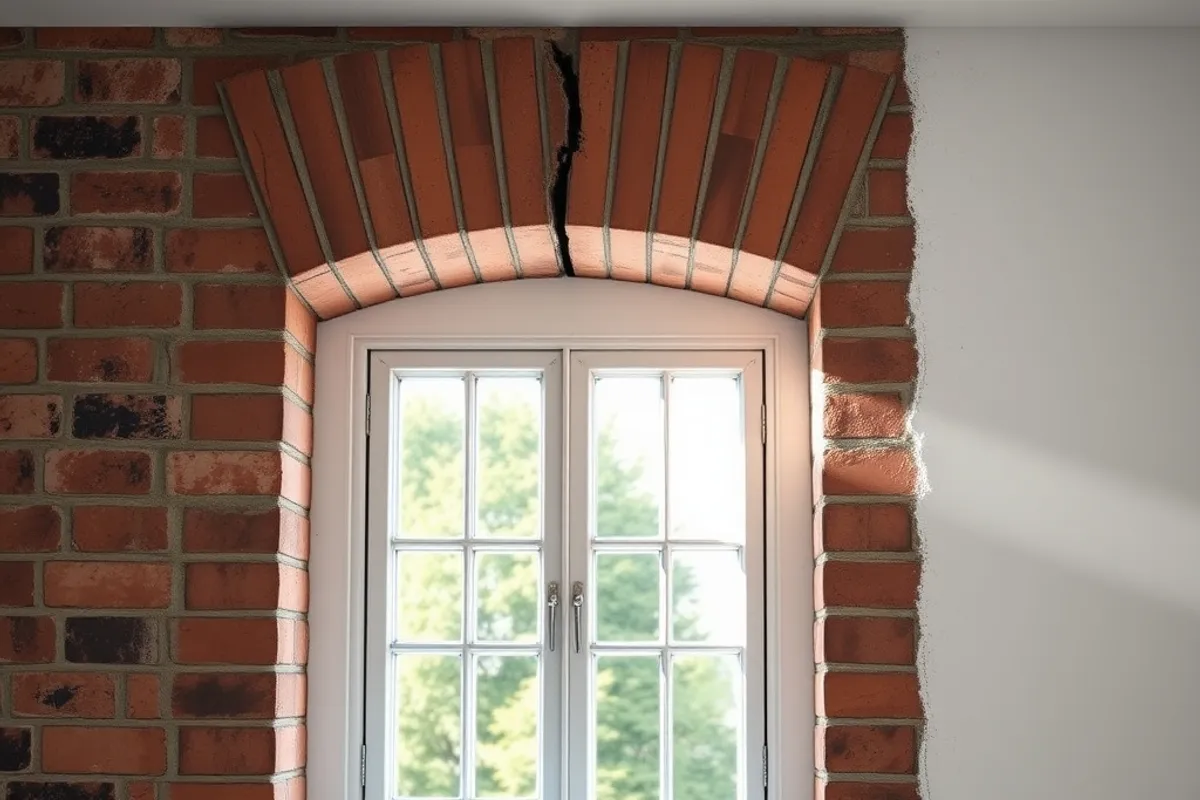
Movement is normal in small doses. A pattern is not. Look for diagonal cracks above openings, stepped cracks in brickwork, walls that bulge, floors that slope noticeably and doors or windows that have become hard to open. Check that extensions and bay windows are tied into the main structure and that lintels are present above openings. These are signs to involve a structural engineer, not a decorator.
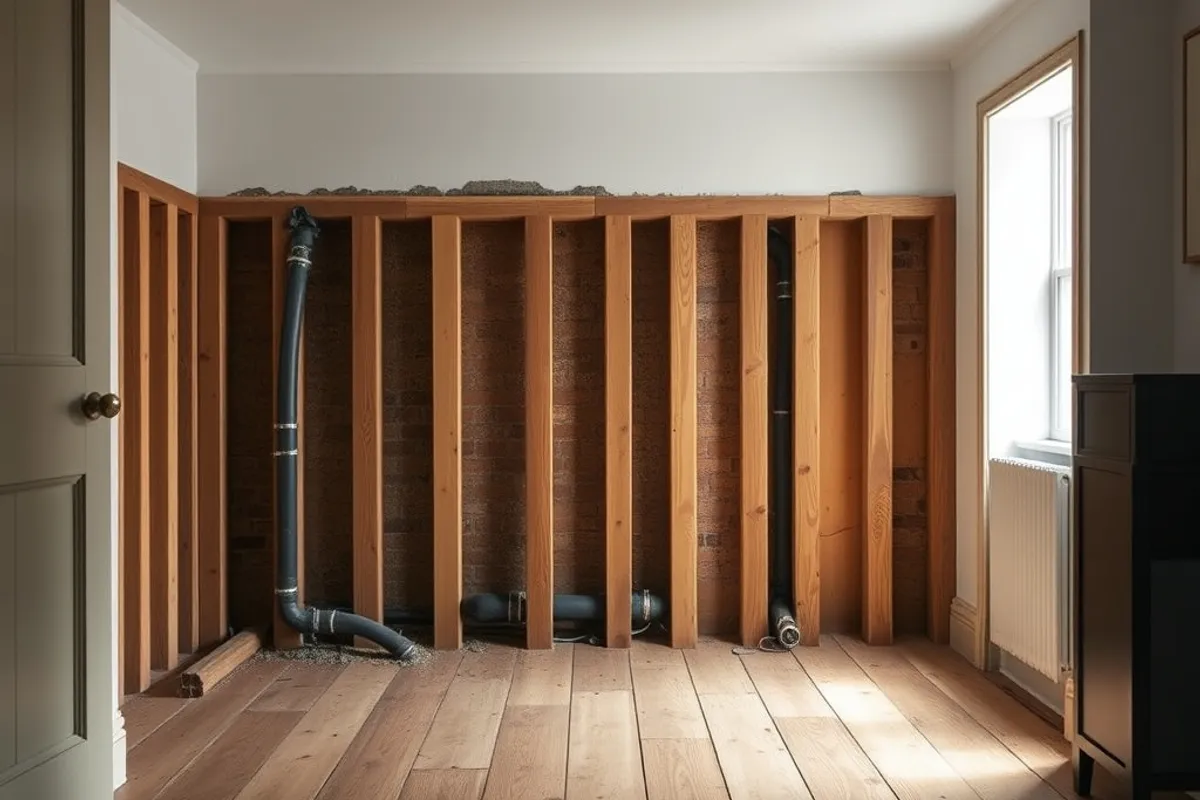
Timber is another hidden risk. Look for sagging floors, springy boards, wood dust and small holes that suggest insects. In the loft, check rafters and the underside of the roof covering for staining and rot. In older homes, check whether previous owners removed walls without proper support. A building survey should catch the obvious cases, but a specialist timber or structural report is worth it when something feels wrong.
Services that have reached the end
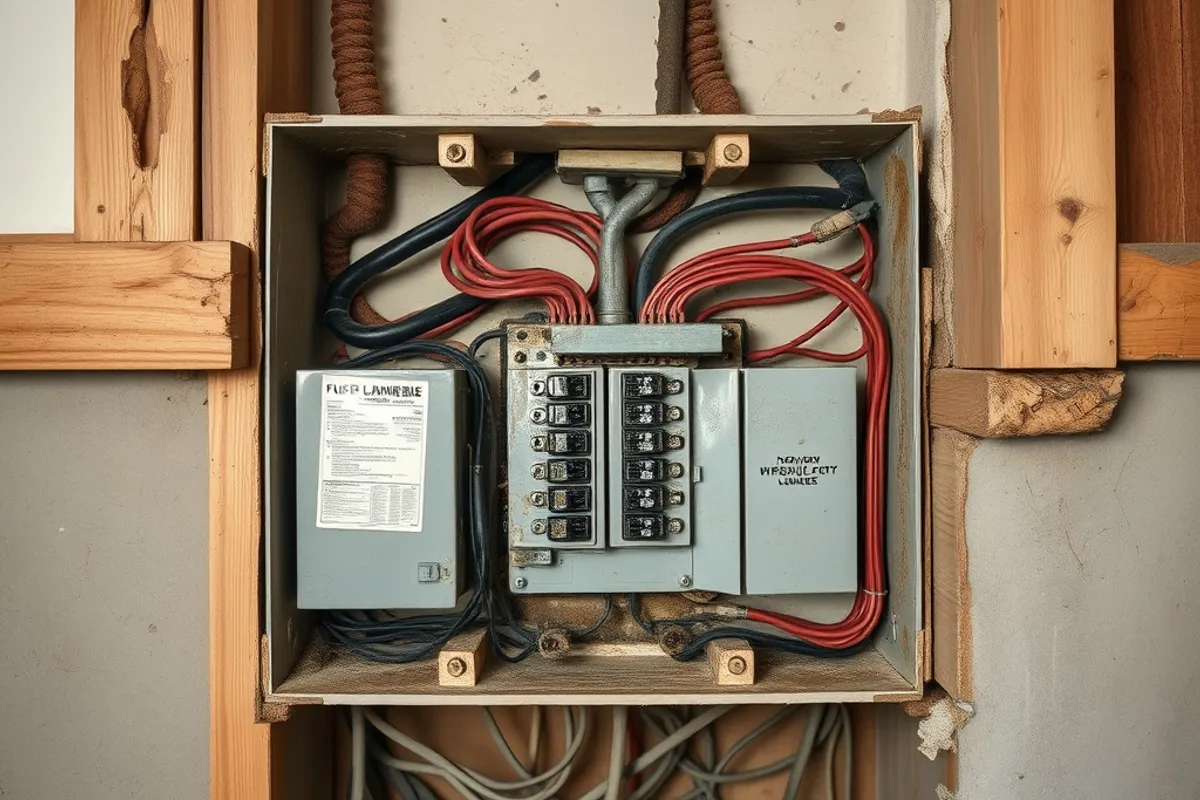
Old wiring, outdated fuse boxes, lead pipework and ageing boilers are common in homes that have not been updated. They are not always visible, but the signs are: a tangle of cables, sockets that feel warm, flickering lights, poor water pressure and a boiler with no service history. These systems are safety-critical and expensive to replace. Budget for them before you exchange contracts, not after.
If the finish is new and the story is thin, look harder at what it covers.

Tools and specialists
A moisture meter and a thermal camera can reveal temperature and moisture patterns that the eye misses, but they do not diagnose the cause. Use them to decide where to investigate further, not as a final answer. A damp specialist can test for rising damp, a roofer can inspect the covering safely, and an electrician can assess the consumer unit and circuits. Commission the specialist who matches the risk.
Always get reports in writing, with photographs and clear recommendations. Ask whether the issue is active or historic, and what it would cost to fix. A report that says "monitor" is useful only if you know what to monitor and for how long.
Use findings in negotiation
Hidden defects are leverage when they are documented. Get quotes, not guesses. Decide which issues are deal-breakers and which are price adjustments. A seller may accept a reduction or complete a repair, but only if you present evidence. If the defect is serious and the seller will not budge, walking away is often the cheapest outcome.
For the full buying checklist, read our home inspection checklist, or browse more home inspection guides.
Further reading from independent sources: International Code Council and Energy Star.