Front Facade Makeover: Lighting, Landscaping and Colour
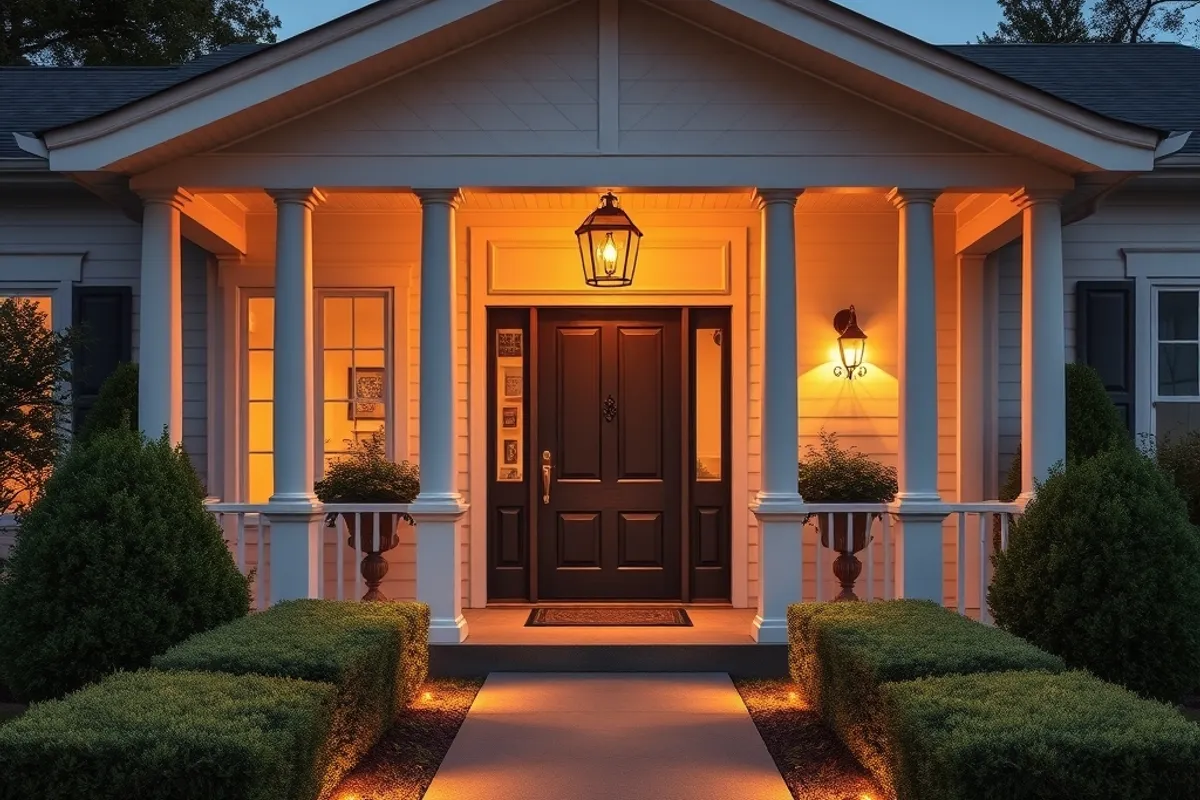
Curb appeal is the value of the first thirty seconds. Before a buyer, guest or neighbour sees the kitchen, they see the path, the door and the face of the house. A facade makeover does not need a builder; most of the improvement comes from light, planting, colour and a clearer route to the entrance.
Key facts
- A clear, welcoming path is the strongest curb-appeal upgrade.
- Warm, low-level lighting makes a facade feel larger and safer.
- Repainting the front door and trim is cheap and high impact.
- Plant for structure first, colour second.
- Fix drainage and paving before adding decoration.
Start with the route to the door
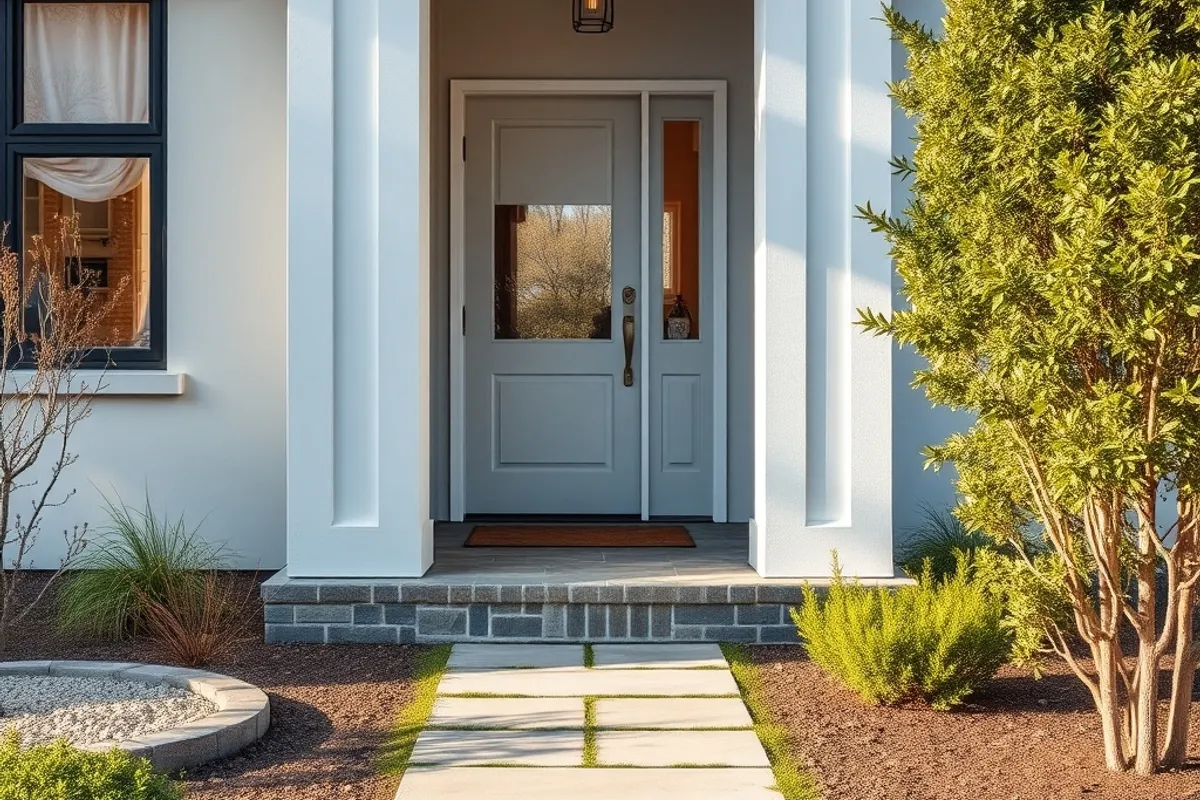
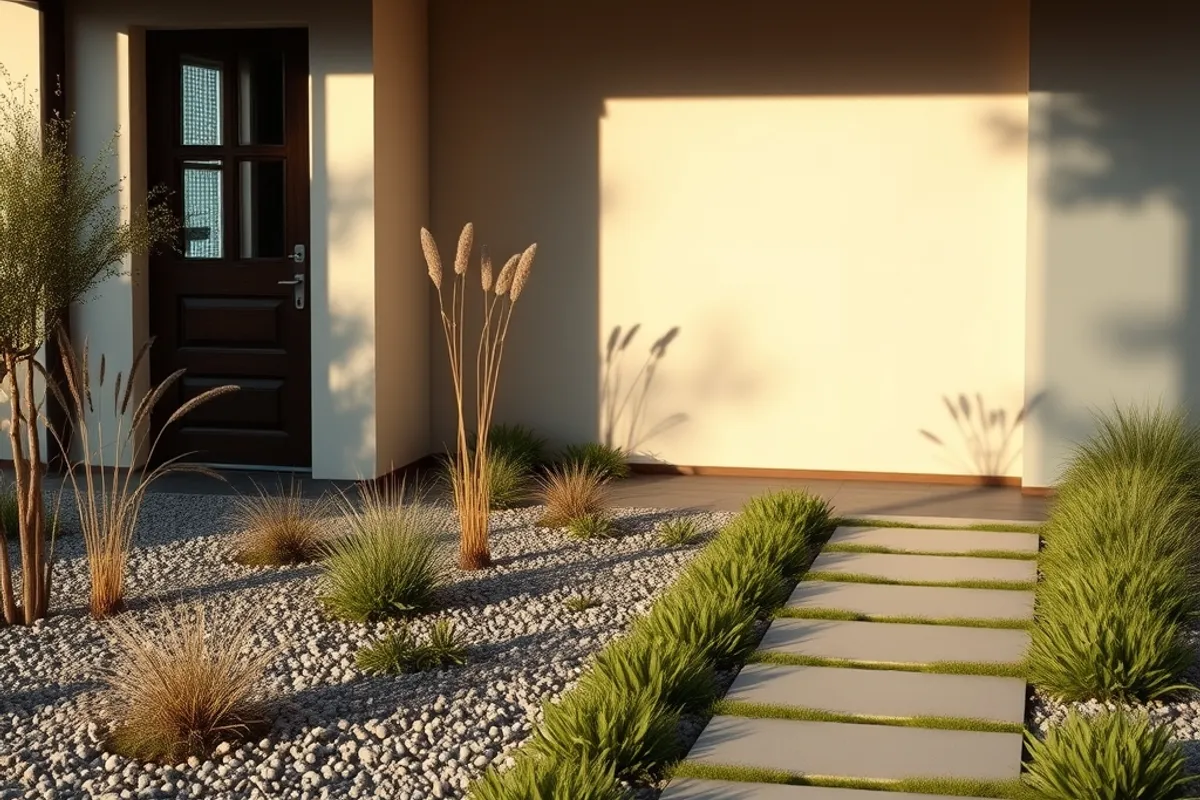
Stand on the street and walk to the entrance as a visitor would. Is the path obvious? Is it wide enough for two people? Does it slope or puddle? A clear, safe route does more for a facade than any ornament. Repair broken paving, re-level trip hazards and keep the path free of bins and clutter. If the door is hard to find, use planting or lighting to guide the eye rather than adding a large sign.
At the door itself, check the threshold, the step and the shelter. A small canopy or porch gives the entrance presence and protects visitors from rain. Make sure the doorbell, number and letterbox are legible and working. These small functional details are the difference between a house that feels cared for and one that feels neglected.
Use light with restraint
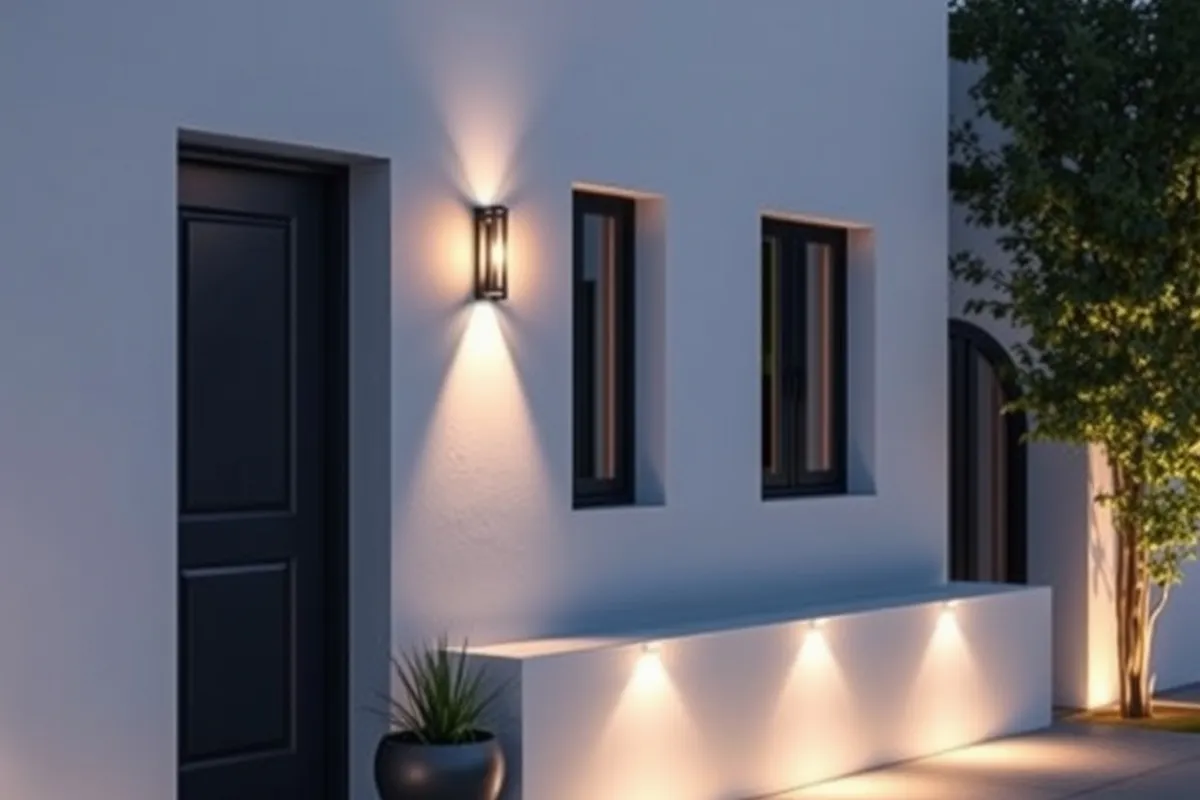
Exterior lighting should reveal, not floodlight. Warm low-level lights along a path, a pair of wall lights beside the door and a soft uplight on a textured wall are usually enough. Avoid cool white security lights aimed at the street; they flatten the facade and annoy neighbours. Choose fittings with shielded bulbs so you see the effect, not the source.
Use timers or sensors so the lights come on when needed and switch off late. Good lighting also improves safety and helps visitors find the entrance in the dark. If you want to highlight a tree or a wall, aim the light from close to the surface and keep the beam narrow.
Paint with purpose
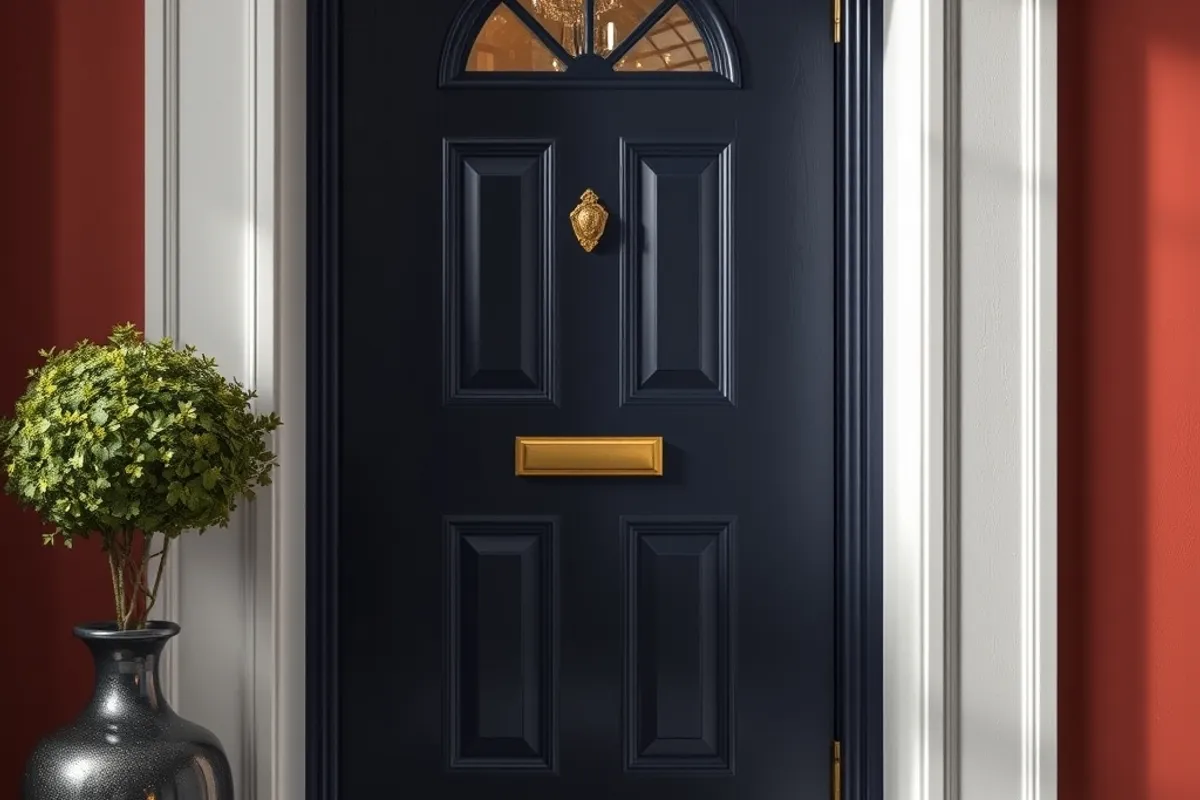
The front door is the easiest place to add colour. A deep green, navy, ochre or warm red can lift a neutral facade without repainting the whole house. Keep the trim consistent and repair any flaking before painting. If the render or cladding is tired, a full repaint may be better value than a new door, but only after the surface is sound and clean.
Curb appeal is mostly clarity: a clear path, a clear door and a clear reason to look twice.
Plant for structure and seasons
Choose plants that look good for more than a fortnight. Evergreens, grasses and small trees give structure through winter, while perennials add seasonal colour. Keep planting low near the path so it does not obstruct access, and leave space for plants to reach their mature size. A few well-placed pots can frame the door, but they need regular watering and can become clutter if overdone.
Match the planting to the aspect and soil. Shade-loving plants will fail in full sun, and thirsty plants will struggle under an overhang. Mulch to retain moisture and suppress weeds. If maintenance is limited, choose robust species and gravel or ground cover rather than a lawn that demands constant attention.
Order of work
Fix drainage, paving and any structural movement first. Clean and repair the facade, then paint the door and trim. Add lighting, then planting, then smaller details such as a house number or doormat. Working in this order prevents decoration from hiding problems and keeps the budget focused on what people actually notice.
For the materials behind the makeover, read our exterior design guide, or browse more exterior design articles.
Further reading from independent sources: International Code Council and Energy Star.