Home Inspection Checklist: What Buyers Must Check

A home inspection is not a formality. It is the best chance you get to see a property as a building rather than a listing. The report will not be perfect, and no house is. The point is to separate ordinary maintenance from the defects that could cost you a year's savings or make the home unsafe.
Key facts
- Structure, water and services cause the most expensive surprises.
- Inspect the roof, gutters and drainage after rain if possible.
- Look for evidence of movement, not just cracks.
- Test every tap, drain and electrical circuit you can.
- A specialist report is worth commissioning when something is unclear.
Structure and movement
Walk the outside first. Look along walls for bulges, leaning, stepped cracks and repaired patches. Check that the roof line is straight and that extensions meet the original house cleanly. Inside, look at door and window corners, ceilings and the junctions between walls and floors. A single hairline crack is usually cosmetic; a pattern of cracks, sloping floors or doors that no longer close deserves a structural engineer.
Ask about the age of the building and any major works. Older homes may have had extensions, loft conversions or damp proofing that were never signed off. Missing approvals can become your problem after purchase. A good inspector will flag these, but you should also ask the seller directly and request documentation.
Water is the enemy
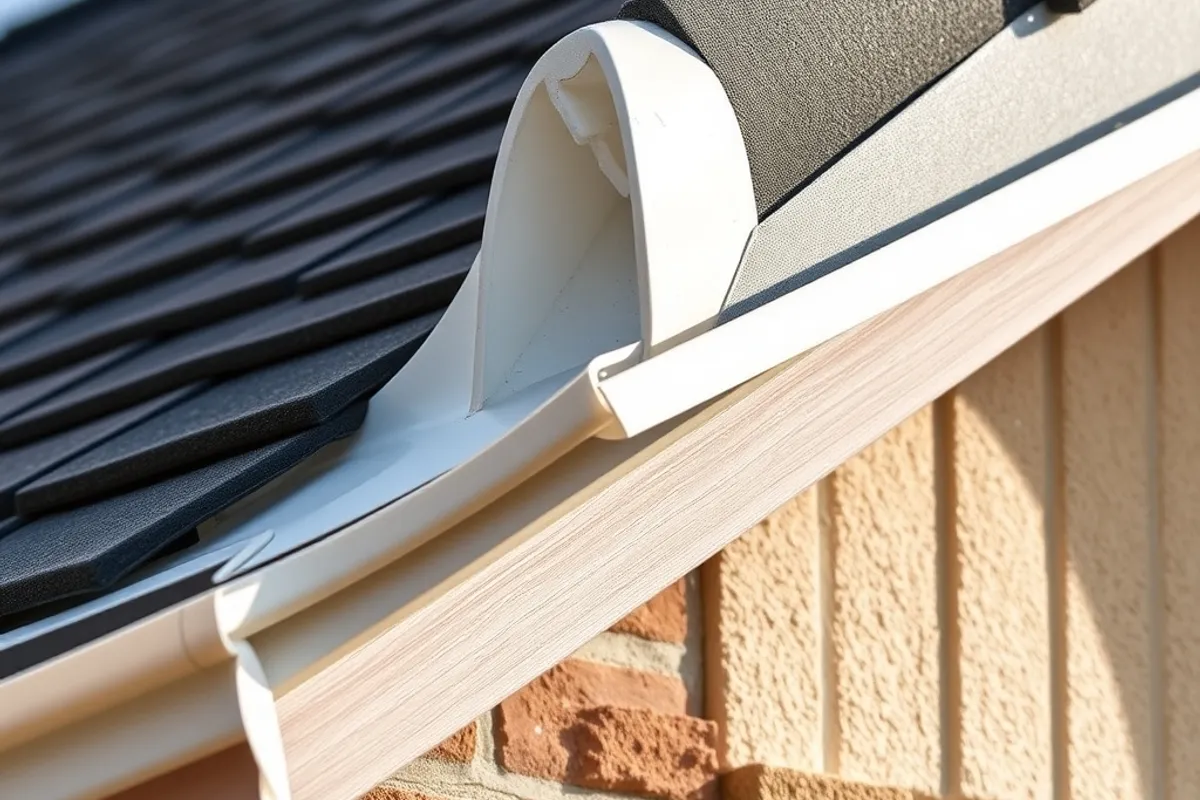
Water damage is the most common hidden defect. Check the roof covering, flashings, valleys and gutters from ground level with binoculars and from inside the loft if accessible. Look for stained ceiling boards, musty smells, bubbling paint and tide marks on walls. In bathrooms and kitchens, run taps and inspect under sinks and around seals. Slow leaks often leave a tidy stain but a rotten substrate behind it.
Outside, check ground levels, drainage and paving. Water should flow away from the building, not toward it. Blocked gutters and downpipes are cheap to fix but expensive if ignored. In basements and ground floors, look for damp smells and efflorescence, the white salt deposits that suggest moisture movement. A moisture meter helps, but the pattern and the source matter more than a single reading.

Services and safety
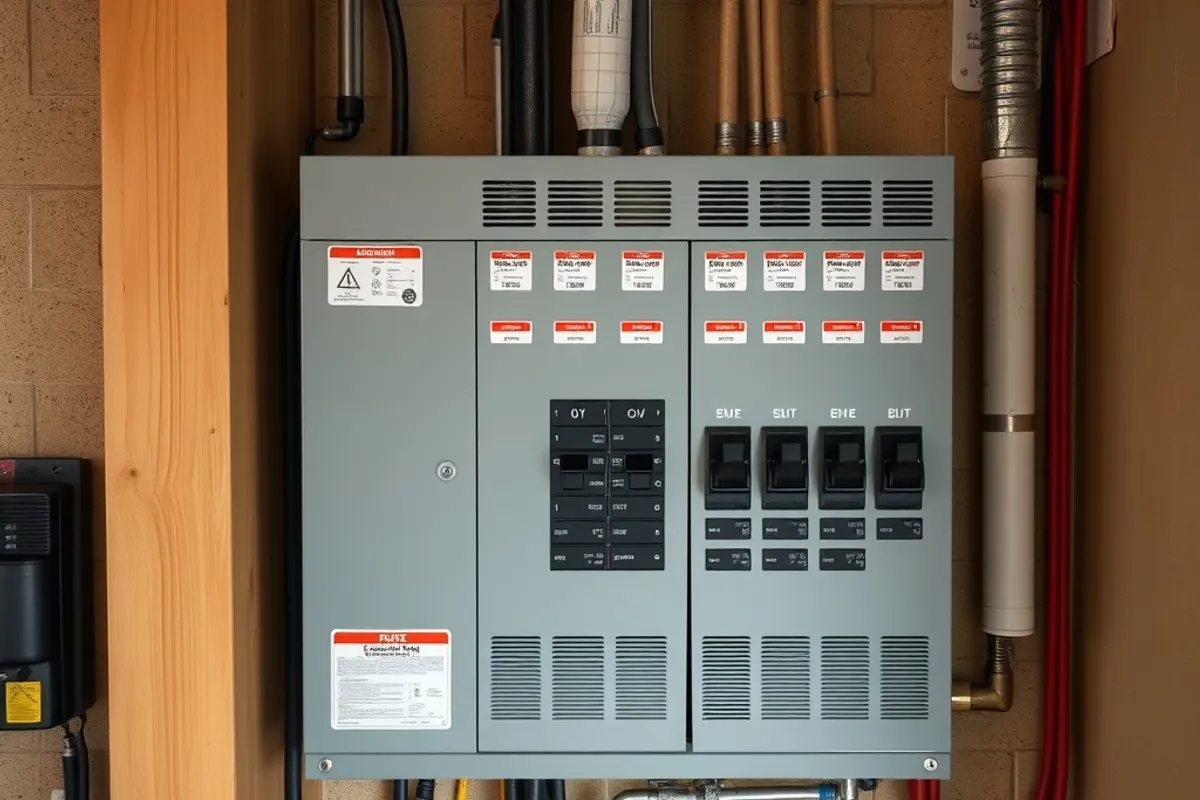
Check the electrical consumer unit for modern breakers and RCD protection, and look for DIY wiring, exposed joints and overloaded sockets. Test smoke and carbon monoxide alarms. Ask when the boiler or heating system was last serviced and look for the service record. Run hot water and check pressure and drainage at every outlet. These systems are expensive to replace and easy to overlook when you are focused on kitchens and paint.
The most expensive defects are the ones you cannot see on a viewing day.
Windows, doors and insulation
Open and close every window and exterior door. Look for rotten timber, failed seals, condensation between panes and draughts. Check the age of the glazing and whether it is safety glass where required. In the loft, check insulation depth, ventilation and signs of condensation or pest activity. Poor insulation is not a safety issue, but it is a running cost that shows up every winter.
Look at the exterior finish too. Cracked render, failed paint and blocked vents can all let water in. These are often negotiable maintenance items, but they should be in your budget rather than a surprise after completion.

How to use the report
Read the summary first, then the detail. Distinguish safety issues, major defects and routine maintenance. Get quotes for anything significant before your offer becomes unconditional. Do not expect the seller to fix everything; decide what matters to you and negotiate from evidence. Keep the report and any specialist reports with the property file for future reference and resale.
For the defects behind the checklist, read our hidden defects guide, or browse all home inspection articles.
Further reading from independent sources: International Code Council and Energy Star.