Property Development Feasibility: Reading the Real Numbers
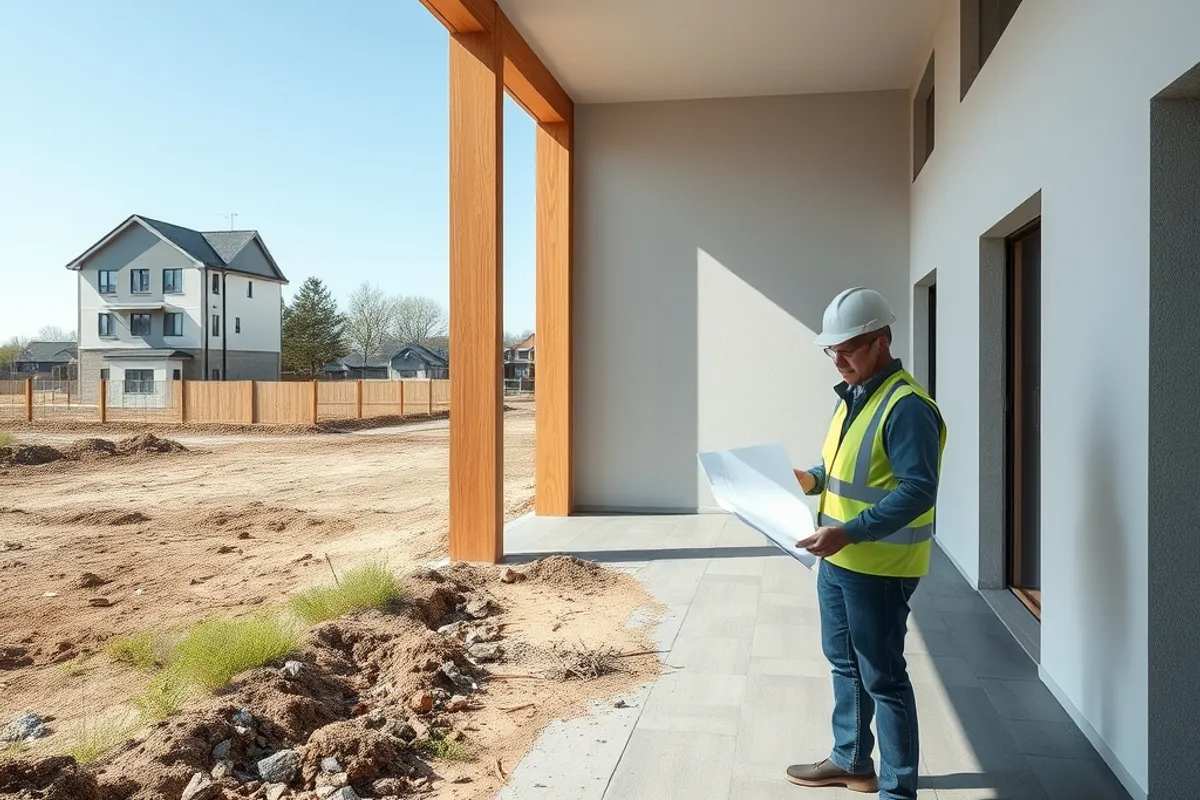
Property development looks simple from the outside: buy land, build, sell for more. The profit disappears in the details. Feasibility is the discipline of testing every assumption before money is committed, and it is the difference between a project and an expensive lesson.
Key facts
- Feasibility starts with the exit value, not the purchase price.
- Build cost per square metre is only part of the total development cost.
- Finance, fees, contingency and selling costs can consume most of the margin.
- Planning risk and build time are as important as price.
- A project that only works in the best case is not feasible.
Work backwards from the exit
Start with what the finished property will realistically sell or rent for. Use recent comparable sales, not asking prices, and adjust for condition, location, size and finish. Be conservative: the market you sell into may be softer than the market you buy in. If the completed value is uncertain, the whole project is uncertain. Get a local agent's written opinion and cross-check it against public sale records.
Then subtract every cost between the site and the sale. That includes purchase price, transaction taxes and legal fees, design and engineering, planning and permits, demolition, construction, utilities, landscaping, insurance, finance, marketing and selling fees. Add a contingency for the things you have not discovered yet. Only what remains is profit, and it must compensate you for the risk and time.
Build cost is not one number
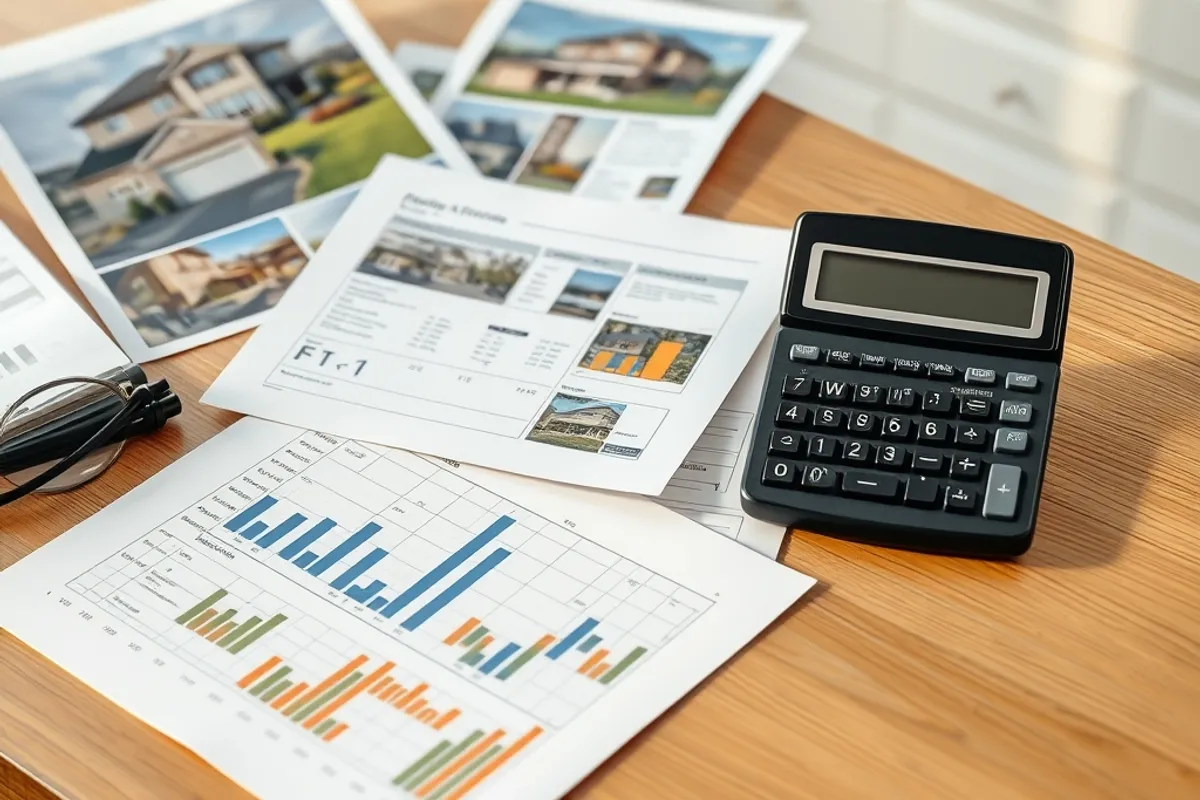
Quotes per square metre vary with specification, site access, ground conditions and labour availability. A headline rate often excludes foundations, services, external works and professional fees. Ask for an itemised cost plan rather than a single rate, and check what is excluded. Visit comparable finished projects and ask what they actually cost, not what was budgeted.
Ground conditions are the classic surprise. Poor soil, slope, contamination or drainage problems can add significant cost before construction begins. A site investigation is cheap relative to the risk it removes. If the numbers only work with perfect ground, walk away or renegotiate the land price.
Time is a cost
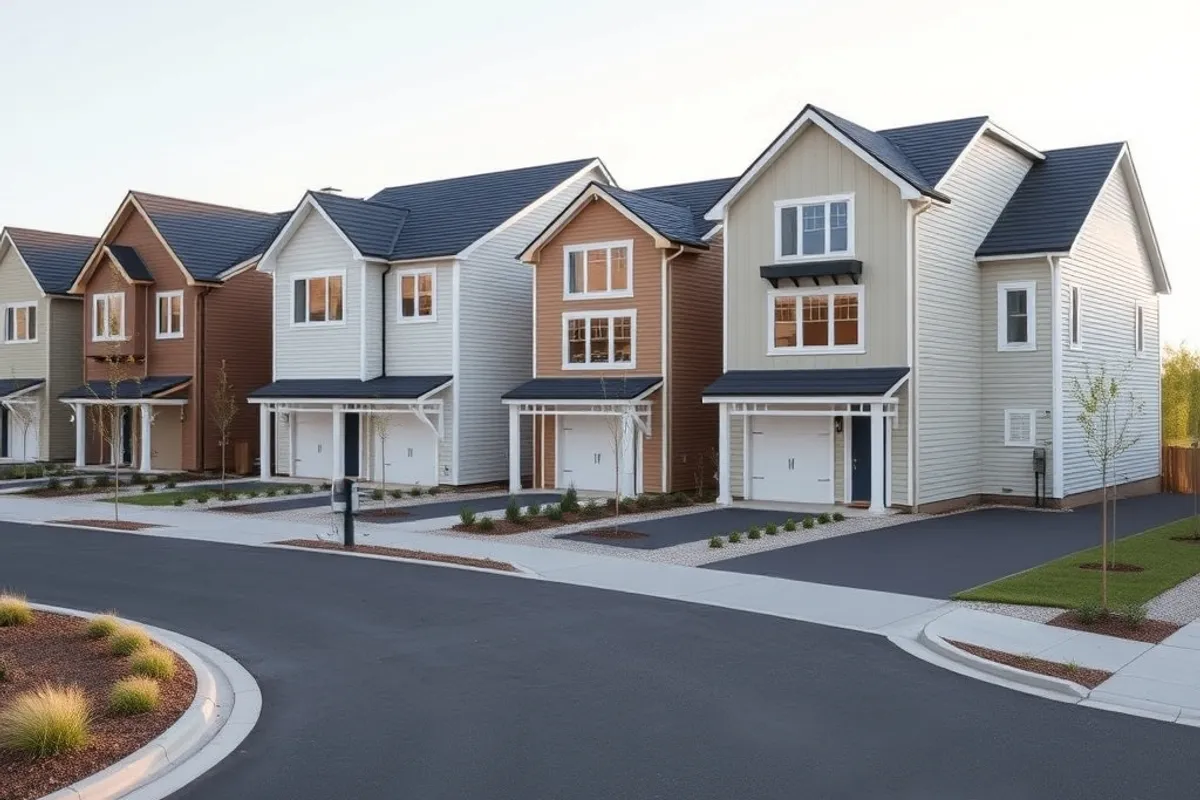
Every month of delay adds finance costs, insurance and lost rental income. Planning decisions, utility connections and material lead times can stretch a schedule far beyond the builder's estimate. Build a realistic programme with float, not a best-case timeline. Check whether the local authority is slow, whether the site needs access agreements and whether services are already connected.
Feasibility is not optimism with a spreadsheet. It is the cost of being wrong, written down.
Stress-test the plan
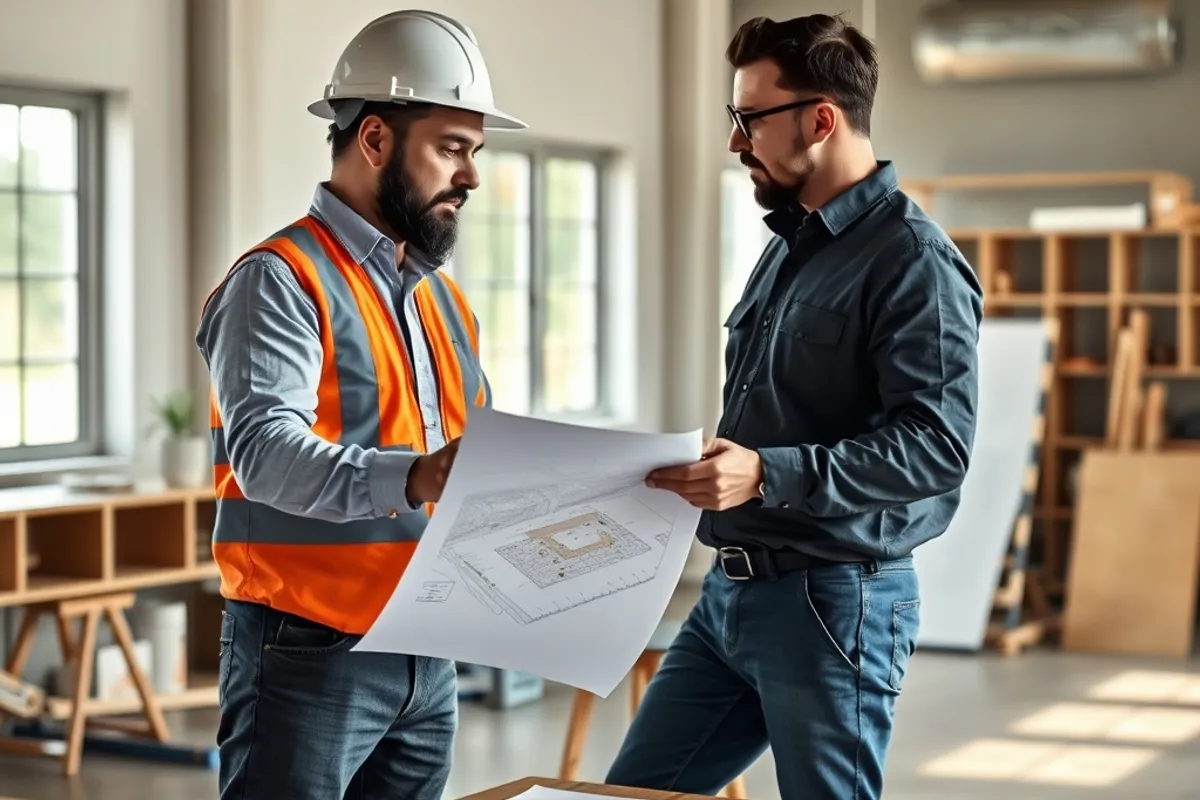
Run the numbers again with a lower sale price, a higher build cost and a longer programme. If the project still survives, it has a margin of safety. If it only works when everything goes right, it is a speculation, not a development. Lenders will apply their own stress tests, and so should you. Decide in advance what you will do if costs rise beyond a set point: pause, redesign or sell the site.
Also test the planning risk. A site without consent may be worth less than the land price suggests. Check the local plan, nearby approvals and any constraints such as flood risk, conservation areas or access. A planning consultant's early opinion can save a fortune later.
Keep a decision file
Record every assumption, quote and source. Update the feasibility as new information arrives rather than defending the original numbers. The best developers are not the most optimistic; they are the ones who notice a bad project early and stop. A written feasibility also makes financing and partnering far easier, because everyone can see the same numbers.
For the next step, read our renovation versus new build guide, or browse more property development articles.
Further reading from independent sources: International Code Council and Energy Star.