Wall Finishing That Lasts: Paint, Plaster and Panel Choices
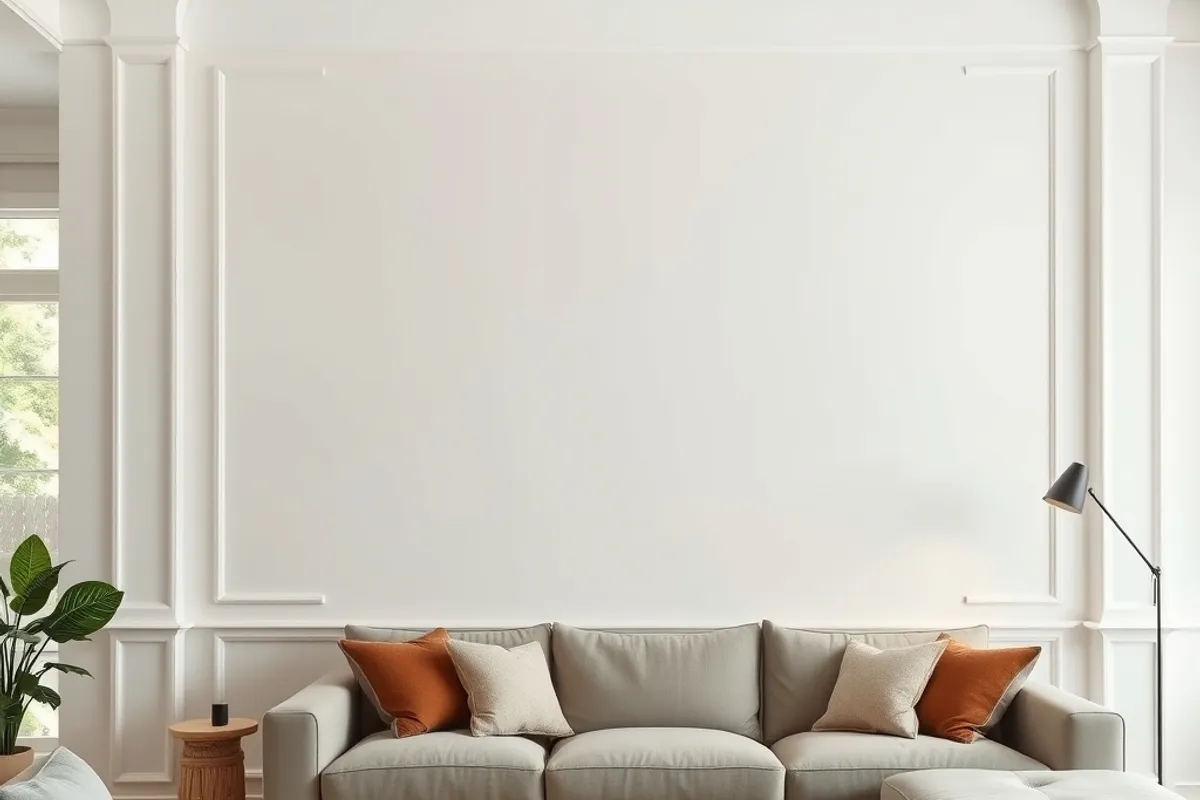
Walls are the largest surface in any home and the one you notice without trying. A good finish looks calm, takes knocks without showing every mark and can be cleaned without losing its colour. A poor finish looks tired within a year, no matter how expensive the paint. In 2026 the choice is wider than ever: flat emulsion, washable paint, lime plaster, microcement, wallpaper and timber panelling all compete for the same wall.
Key facts
- Preparation, not the product, decides most of a wall finish's lifespan.
- Washable paint suits halls and kitchens; flat paint hides imperfections better.
- Plaster and microcement cost more but can last decades when sealed correctly.
- Panelling adds warmth and hides uneven walls but reduces room width.
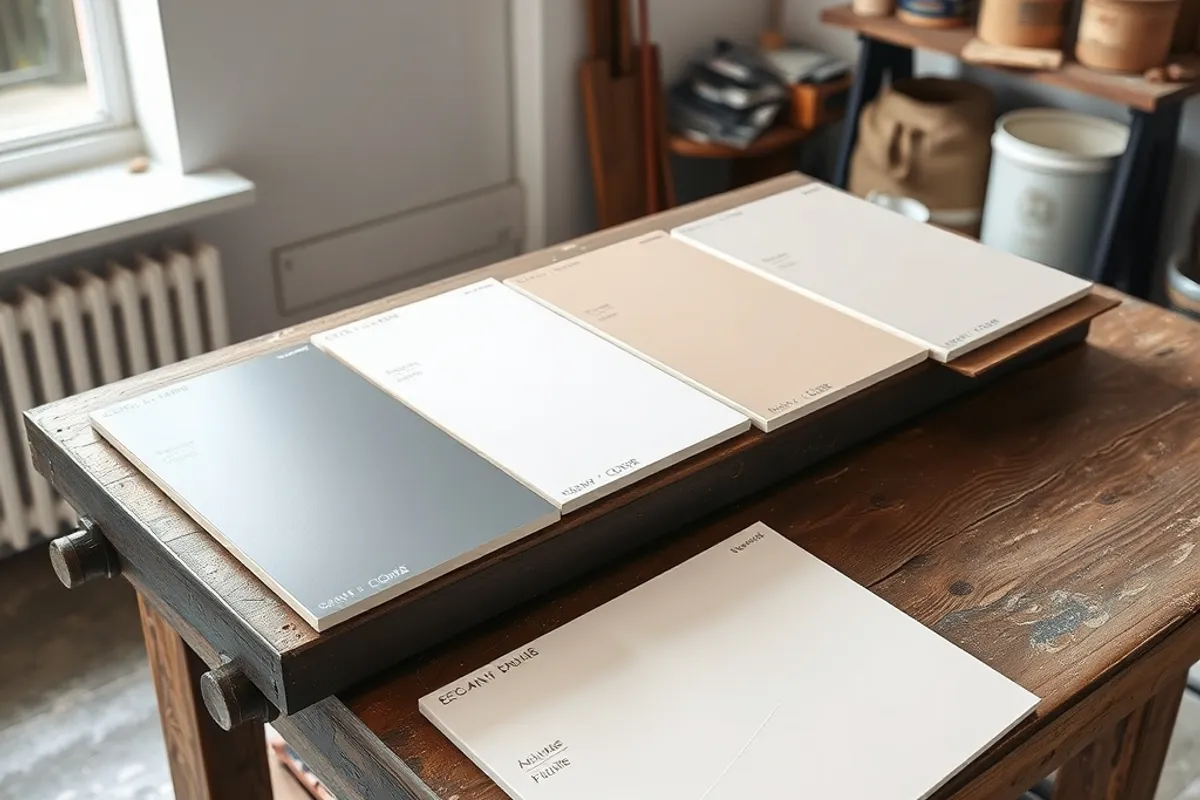
- Always test a finish on a spare board before committing to a whole room.
Start with the wall, not the colour
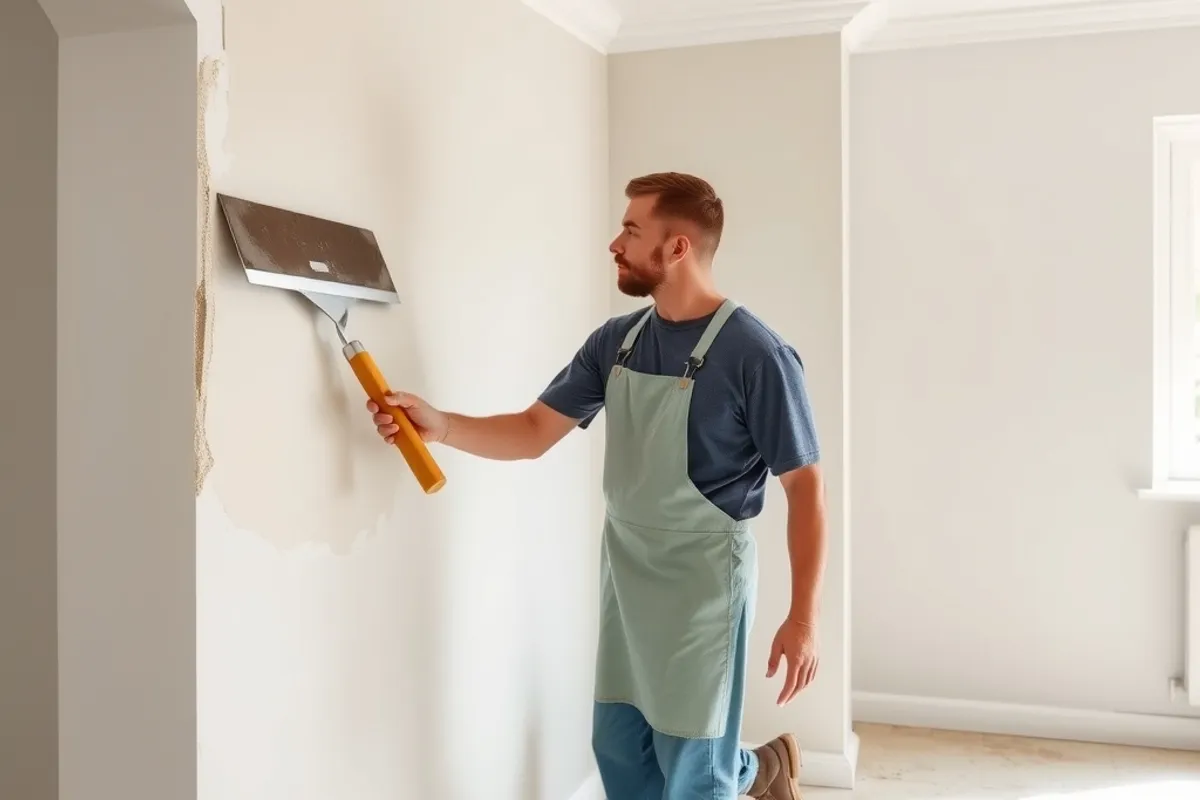
Before choosing a finish, check what the wall is doing. Run a straight edge across it to find high and low spots. Tap for hollow plaster that has lost its grip. Look for hairline cracks, damp patches and old filler that has shrunk. A wall that moves or holds moisture will crack any coating you put on it, however premium the label. Fix those causes first, then think about appearance.
Preparation is unglamorous and it is where most budgets should go. Fill and sand, dust down, prime bare patches and allow each layer to dry fully. On previously painted walls, wash off grease and sugar soap residue before sanding. Skipping these steps is the most common reason a new paint job fails early, and no topcoat can compensate for a dusty or damp surface.
Paint: the practical default
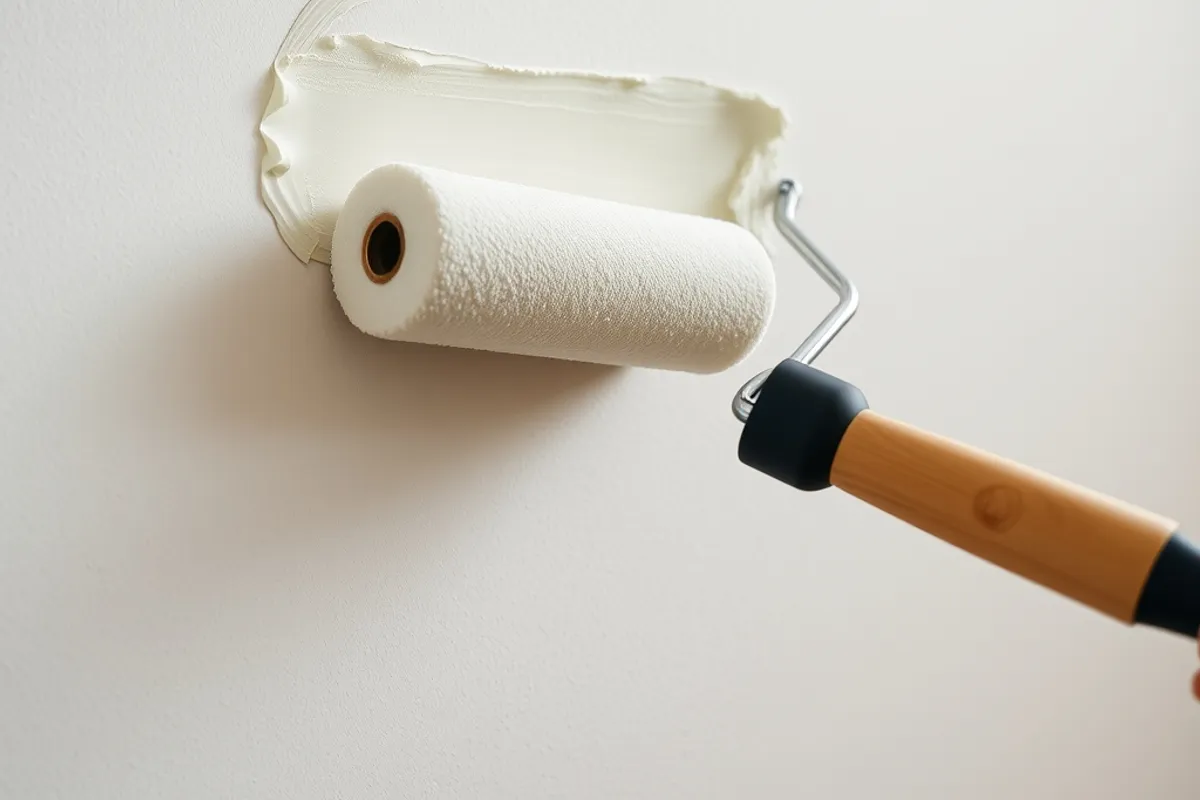
Paint remains the best value for most rooms. Modern water-based emulsions are low in odour and dry quickly, and washable finishes have improved enough to survive a hallway. Choose a flat or matt finish for ceilings and low-traffic bedrooms because it softens unevenness, and a washable mid-sheen for kitchens, bathrooms and halls where marks are frequent. Gloss is easy to clean but highlights every imperfection, so use it sparingly on trim rather than large walls.
Colour choice matters as much as durability. A strong colour is harder to touch up because fading and batch differences show. If you love a deep shade, buy a little extra in the same batch for future repairs. Keep the label and the room name written on the tin. Two coats of a good paint usually beat four thin coats of a cheap one, and the difference in cost is small compared with the labour of repainting.
Plaster and microcement
Lime plaster and clay plaster give a soft, mineral surface that suits period homes and modern calm interiors. They regulate moisture and look better as they age, but they need a skilled hand and a protective seal in wet areas. Microcement offers a seamless, concrete-like finish that works on walls and floors, though it demands excellent substrate preparation and a trained applicator. Both are more expensive than paint and less forgiving of DIY mistakes.
The most expensive finish in the world will fail on a damp, dusty wall.
Wallpaper and panelling
Wallpaper has moved well beyond pattern. Many 2026 ranges are textured, washable and designed for feature walls rather than whole rooms. The key is lining paper underneath: it gives the paste a stable surface and hides minor flaws. In bathrooms, use a dedicated moisture-resistant product and seal the edges. Peel-and-stick options are tempting for renters but rarely survive humidity or direct sun for long.
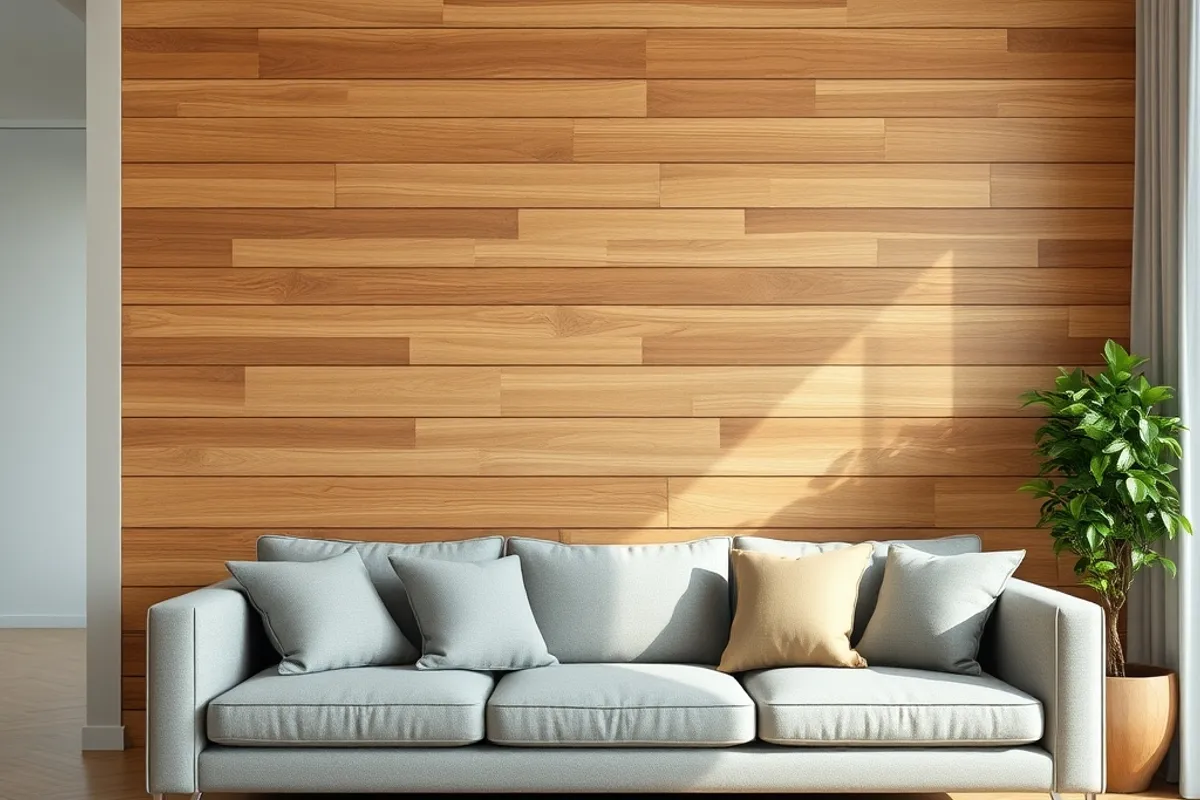
Timber slats, acoustic panels and built-in joinery add depth and absorb sound, which makes open-plan rooms feel less echoey. They also reduce the usable width of a room and need fixing into solid structure. Budget for the space they take as well as the material cost, and check fire and moisture ratings for the room you are fitting.
Choosing for the room you actually have
Match the finish to use, not to a photograph. Kitchens and bathrooms want scrubbable, moisture-tolerant surfaces. Hallways want toughness at hand height. Bedrooms can afford softer, more tactile finishes. Children's rooms benefit from washable paint and robust panelling rather than delicate wallpaper. Once the surface is right, colour becomes a pleasure rather than a gamble.
If you are planning a wider renovation, pair this guide with our crack and damp repair guide, or browse all wall finishing articles.
Further reading from independent sources: International Code Council and Energy Star.